Massive Roman arches rising beside the road to Dalyan village are the first sign that you have reached Alexandria Troas. Founded by one of Alexander the Great's generals and later a thriving Roman port of up to 100,000 people, it is one of the largest ancient cities in Anatolia, yet it remains far quieter than nearby Troy. As a family that has lived and worked in Ezine since 1953, we have put together everything you need to plan your visit.
Where Is Alexandria Troas?
Alexandria Troas lies within the boundaries of Dalyan village in the Ezine district of Çanakkale province, on Turkey's northern Aegean coast. It sits on the western shore of the Troad, the ancient name for today's Biga Peninsula, south of Troy and directly facing the island of Bozcaada, known in antiquity as Tenedos.
The site is about 25 km (15 miles) from our hotel, which makes it an easy half-day trip. You will also see the name spelled Aleksandria Troas on Turkish signs and maps.
A Short History: From Antigoneia to Alexandria Troas
The city's story begins with the generals who divided Alexander the Great's empire after his death. Around 310 BC, Antigonus I Monophthalmus founded a new city here under the name Antigoneia, resettling the populations of several smaller towns in the area. After the Battle of Ipsus in 301 BC, Lysimachus took control of the region and renamed the city Alexandria in Alexander's honour. The word Troas simply refers to the region, so the name roughly means "the Alexandria of the Troad".
Alexandria Troas was laid out according to a pre-planned design. Its walls ran for about 8 km and enclosed an area of some 390 hectares, and research shows that it was one of the largest cities of ancient Anatolia.
Rome's Gateway Between Europe and Asia
The city enjoyed its golden age under Roman rule. Its position on the sea route between Europe and Asia made it the main harbour of the region for centuries, and its population is estimated to have reached around 100,000.
According to the Turkish Ministry of Culture and Tourism, the city's strategic location led first Julius Caesar and later Constantine the Great to consider making it a capital. Constantine even began building work here before finally choosing Byzantium, the future Istanbul.
Construction flourished under Emperor Hadrian (AD 117–138). With the support of Herodes Atticus, the wealthy Athenian benefactor, a huge aqueduct was built to carry water from Mount Ida, together with the great bath complex that remains the city's landmark today.
St Paul and Troas in the Bible
For Christian visitors, Alexandria Troas is the Troas of the New Testament and one of the key stops on St Paul's journeys:
- The call to Europe (Acts 16:8–11): At Troas, Paul saw the vision of a man of Macedonia asking for help, and from this harbour he sailed for Europe for the first time.
- Seven days in Troas (Acts 20:6–12): On a later visit, Paul stayed in the city for seven days. This is also where the young Eutychus fell from a third-storey window during Paul's long night-time sermon and was restored to life.
- On foot to Assos (Acts 20:13): Paul then chose to walk from Troas to Assos, where he rejoined his companions on board ship.
- The cloak and the books (2 Timothy 4:13): Paul asks Timothy to bring the cloak and the scrolls he had left with Carpus at Troas.
The city remained an important early Christian centre, and the Ministry of Culture and Tourism records three local bishops from the 4th and 5th centuries.
What to See at Alexandria Troas
Excavations are still in progress, and new parts of the city come to light every season. These are the main structures you can see today.
Herodes Atticus Baths and Gymnasium
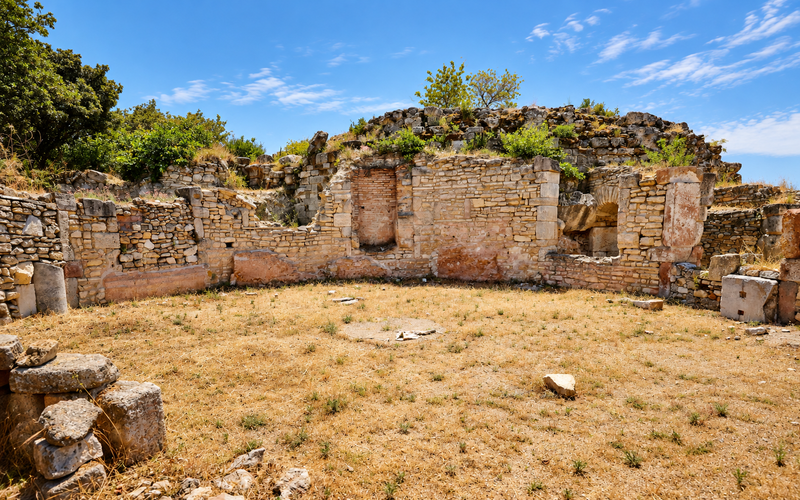
The most impressive ruin on the site is the great bath complex, built together with the aqueduct in AD 135. Measuring 123 by 84 metres, it is considered one of the largest Roman bath buildings in Anatolia. The tall walls and arches you see today are the sections that survived an earthquake in 1809.
The gymnasium, built against the western side of the baths, is one of the largest in Anatolia. Nearby stands a monumental fountain (nymphaeum), one of the finest buildings in the city.
The Temple and the City Centre
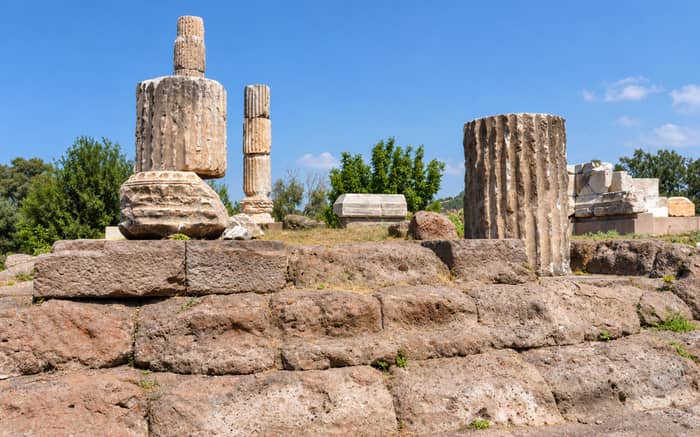
West of the city centre, next to the administrative buildings, lies a temple where excavations are still under way. Carved and coloured marble architectural pieces recovered here reflect the city's wealth and its wide-reaching trade connections.
The Theatre
The theatre was built on the highest point of the city. On a clear day, the view takes in Mount Çığrı and the early settlement of Neandria to the east, the island of Lesbos to the south, Bozcaada to the west and the direction of the Dardanelles to the north. It is one of the best places to understand the geography of the whole Troad.
The "Palace" (Maldelik)
Northwest of the theatre stands a rectangular building known as the Palace, or Maldelik. Many legends surround it, but its original function has not yet been firmly established. In antiquity, its southern corner was linked to the theatre street by a corridor.
The East Gate (Neandria Gate)
On the eastern side of the city stands a monumental gate built in the early 3rd century BC and used until the city was abandoned. Flanked by two towers, it has a circular inner courtyard 20 metres in diameter.
The Ancient Harbour
The harbour that made the city rich is now closed off from the sea. Sources record that Roman soldiers passed through it on their eastern campaigns and that Roman merchants came here and settled in the city. In the late afternoon, the harbour area is one of the best spots in the region to watch the sunset.
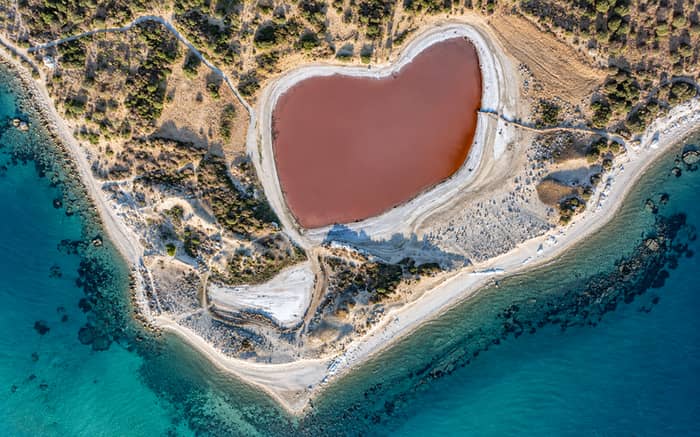
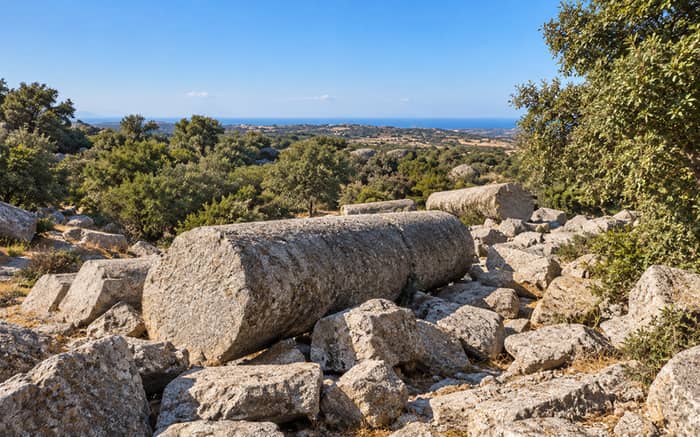
Giant granite columns still lie in the sea along the shore. They were cut from granite quarried on the slopes of nearby Mount Çığrı. The city's inner harbour, meanwhile, gradually turned into today's Pink Lake, also known as the Heart-Shaped Lake.
Visiting Alexandria Troas: Practical Tips
- Admission: According to the Turkish Ministry of Culture and Tourism, entry is free for all visitors, including foreign visitors, as of October 2026. Opening hours differ between summer and winter, so check the official site page before you go.
- How long to stay: Allow 1.5 to 2 hours for the main structures, or half a day if you also want to see the harbour and the Pink Lake.
- Getting around the site: The city is spread over a large area and some structures are far apart. The road to Dalyan runs straight through the site, so driving between groups of ruins saves time.
- What to bring: There is little shade. In summer, bring a hat, sunscreen and plenty of water, and wear comfortable shoes for the stony ground.
- Best time to visit: Spring and autumn offer the most comfortable weather. In summer, go early in the morning or late in the afternoon.
- Excavation areas: Excavations are carried out by a team from Ankara University. Please keep out of active excavation areas and do not climb on the ruins.
How to Get to Alexandria Troas
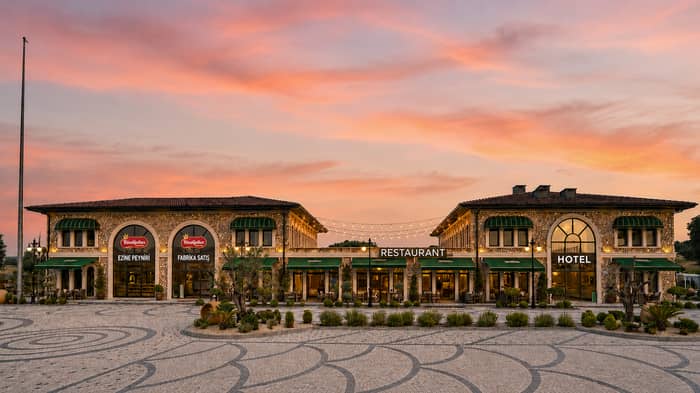
Yükseloğulları Otel is located on the Çanakkale–İzmir highway in Bozeli village, Ezine, about 25 km (15 miles) from Alexandria Troas. Simply enter "Alexandria Troas Archaeological Site" into your navigation app. Directions to our hotel are on our Location & Getting Here page.
Without a car, you can take one of the village minibuses (dolmuş) that run from Ezine towards Dalyan; check return times locally, as services may be limited.
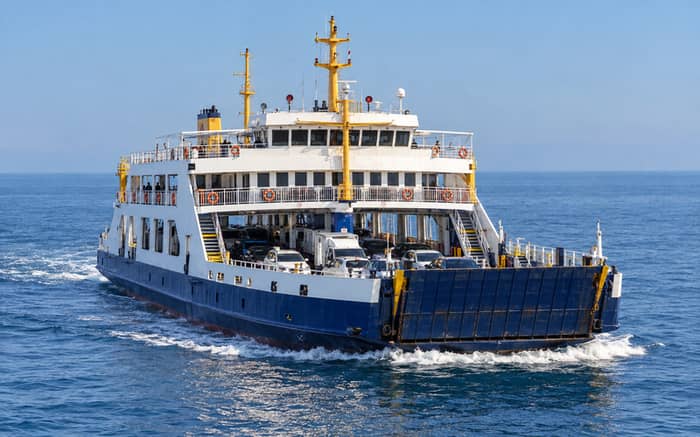
If you are travelling to the region from further afield, Çanakkale Airport is about 50 km from our hotel. Drivers coming from Istanbul can cross the Dardanelles either by ferry or via the 1915 Çanakkale Bridge.
Combine Your Visit With Nearby Sites
- The Pink Lake: The former inner harbour of Alexandria Troas, which at certain times of year turns shades of pink and red because of a microscopic alga.
- The ancient column quarries: Near Yahyaçavuş village, on the slopes of Mount Çığrı, giant granite columns cut in Roman times still lie where they were left.
- Troy: The UNESCO World Heritage Site of Troy is about 20 km from our hotel. Visitors to the Gallipoli battlefields can easily add Troy and Alexandria Troas on the Asian side of the Dardanelles.
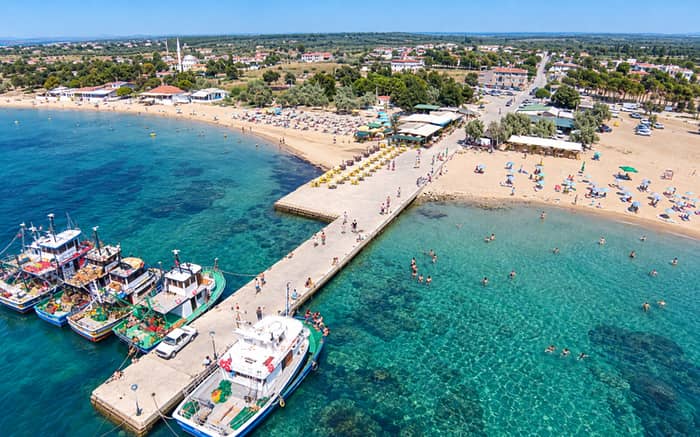
- Bozcaada (Tenedos): Ferries to the island leave from Geyikli Yükyeri Port, about 15 km from our hotel.
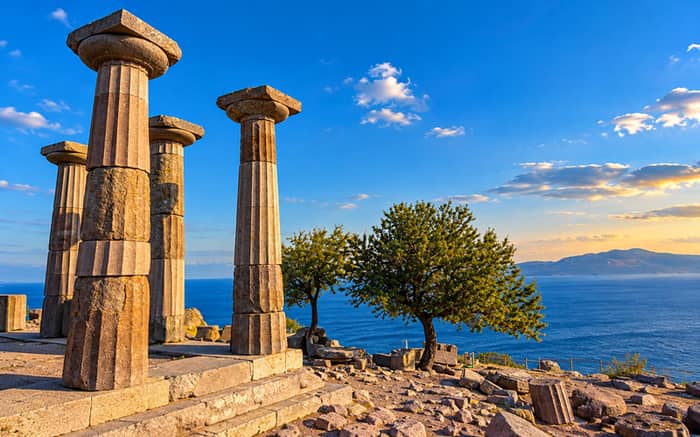
- In St Paul's footsteps: Follow Paul's route south to Assos, with the Temple of Apollo Smintheus at Gülpınar along the way.
Stay With Us in Ezine
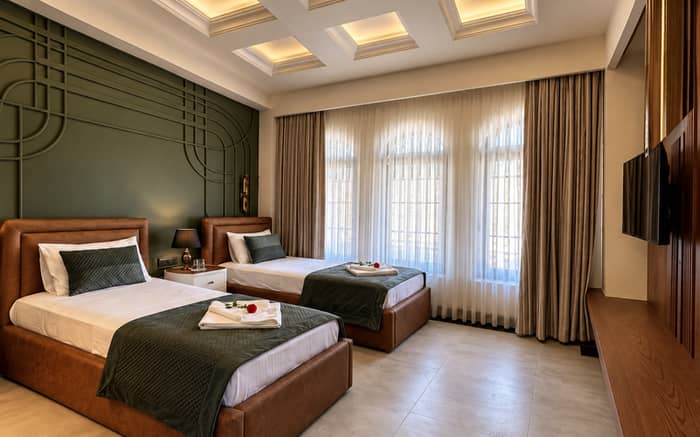
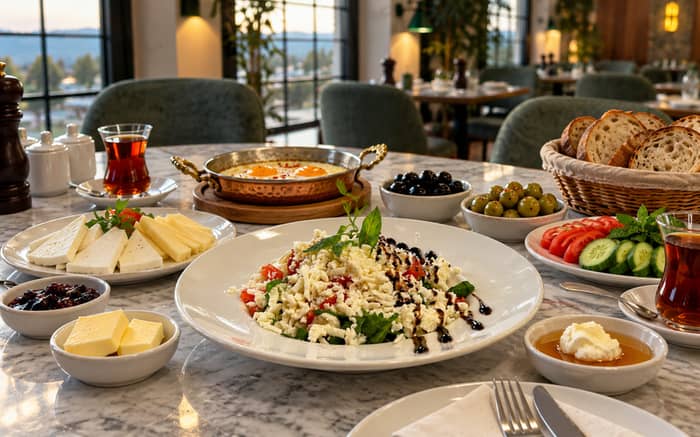
Staying a night in the area makes it much easier to see Alexandria Troas, Troy and Bozcaada at a relaxed pace. Breakfast is included for all our hotel guests and features the Ezine cheese our family has been making since 1953, along with our own butter and other local produce.
Start your day with our village-style breakfast spread and come back in the evening to our restaurant, open daily from 08:00 to 23:00. You can view our rooms and book directly with us.
Alexandria Troas: Questions Visitors Often Ask
Is there an entrance fee for Alexandria Troas?
No. According to the Turkish Ministry of Culture and Tourism, entry is free for all visitors as of October 2026. As fees and opening hours can change, we recommend checking the official page before your visit.
Is Alexandria Troas the same as Troy?
No. Troy is the Bronze Age city near Tevfikiye village, famous from Homer's Iliad. Alexandria Troas is a separate Hellenistic and Roman city founded around 310 BC further south on the coast. Troas is simply the ancient name of the region in which both cities lie.
Is this the Troas mentioned in the Bible?
Yes. The Troas visited by St Paul in the Acts of the Apostles is Alexandria Troas. It was from this harbour that Paul first sailed for Europe, and the city is where the story of Eutychus took place.
How long do I need to visit Alexandria Troas?
Allow 1.5 to 2 hours for the main ruins. If you also want to see the ancient harbour, the granite columns along the shore and the Pink Lake, plan for half a day.