Few places in the world blur the line between legend and archaeology like Troy. On Hisarlık Hill, the ruins of cities built one on top of another tell a story that spans thousands of years, while the modern Troy Museum at the entrance brings that story to life. Troy is only about 20 km (12 miles) from our hotel, and in this guide we explain how to make the most of both the ruins and the museum in a single day.
Where Is Troy?
The Archaeological Site of Troy lies on Hisarlık Hill, near Tevfikiye village in the central district of Çanakkale province. The hill overlooks the coastal plain of the Aegean, about 5 km from the southern entrance to the Dardanelles. The Troy Museum stands right at the entrance to the site. In Turkish, you will see the city called Troya or Truva.
Troy was inscribed on the UNESCO World Heritage List in 1998, and the protected area covers about 158 hectares.
Between Legend and History
Troy owes its fame to Homer's Iliad. The epic tells of the final weeks of the war that began when Paris, prince of Troy, carried off Helen, queen of Sparta, and the Achaeans laid siege to the city. Heroes such as Achilles, Hector and King Priam are still known worldwide thanks to Homer.
Archaeologists believe the war described in the epic may correspond to the Late Bronze Age layers of Troy, although what actually happened remains a subject of debate. And one detail surprises many visitors: the story of the wooden horse is not in the Iliad at all. It is told in Homer's Odyssey and in Virgil's Aeneid.
A City Built on Itself: The Layers of Troy
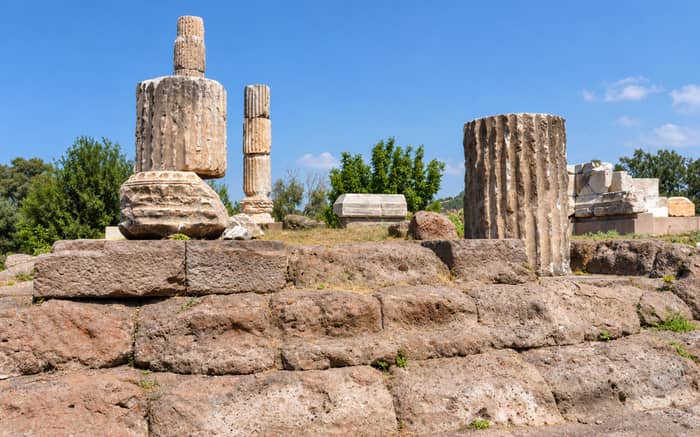
What makes Troy unique is the succession of cities rebuilt on the same hill over thousands of years. Each time the city was destroyed by war, fire or earthquake, a new one rose on its ruins, creating the layers known as Troy I to Troy IX.
According to the Turkish Ministry of Culture and Tourism, the earliest settlement dates to the Early Bronze Age, around 3000–2500 BC, and the city remained inhabited until the end of the Roman period. In 2019, excavation director Prof. Dr. Rüstem Aslan announced the discovery of an even earlier settlement, which he called Troy 0, pushing the city's history back to around 3500 BC.
This unbroken sequence of settlement is a reference point for archaeology across Europe and the Aegean. UNESCO describes its remains as the most significant demonstration of the first contact between the civilisations of Anatolia and the Mediterranean world.
The Story of the Excavations
The first excavations at Troy were carried out by the German businessman Heinrich Schliemann, who dug his first trial trenches in 1870 and began systematic excavations in 1871. In 1873 he found a hoard of gold objects that he called "Priam's Treasure" and smuggled it out of the Ottoman Empire. Taken from Berlin at the end of the Second World War, much of it is now in the Pushkin Museum in Moscow. Later research showed that the treasure belongs to the Troy II layer, centuries older than the era of King Priam.
After Schliemann, Wilhelm Dörpfeld and later Carl Blegen of the University of Cincinnati continued the work, followed by Manfred Korfmann of the University of Tübingen. Today, excavations are led by Prof. Dr. Rüstem Aslan of Çanakkale Onsekiz Mart University, with recent seasons focusing on a Late Bronze Age gate and square.
What to See at the Ruins
The remains of different periods overlap across the site, so following the information panels that explain which layer each structure belongs to makes the visit much easier to understand.
The Walls and Gates
Among the most impressive remains are the citadel walls and gates from different periods. The massive Late Bronze Age walls in particular are the structures most often associated with the walls of Troy described in the Iliad.
Greek and Roman Ilion
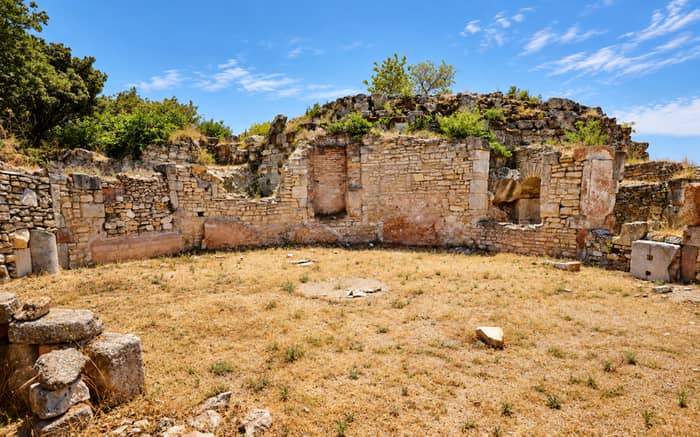
Troy lived on in the Greek and Roman periods under the name Ilion. Remains of its agora, odeion (a small concert and meeting hall) and bouleuterion (council house) show the life of the city in these later centuries.
The Wooden Horse
The large wooden horse at the entrance to the site was built in 1974 as a symbol of the legend. Around 15 metres tall, it undergoes maintenance and renovation from time to time. It is not an archaeological find but a reconstruction made for visitors.
The Troy Museum
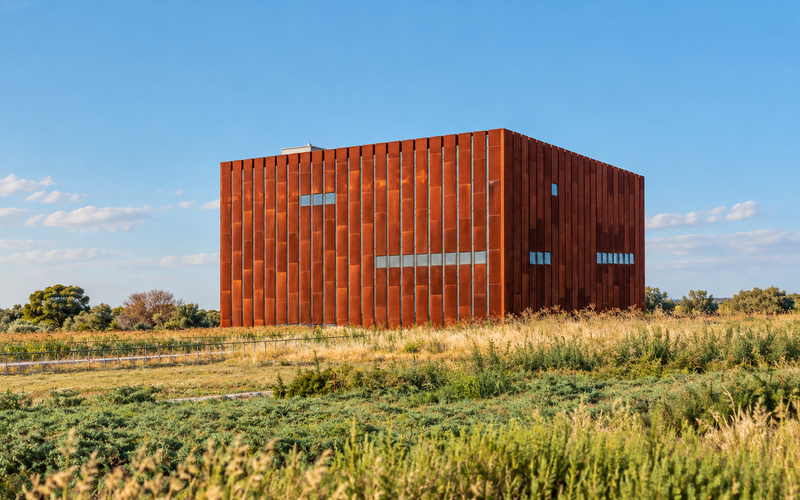
The Troy Museum at the entrance to the site was completed and opened to visitors in 2018. According to the Ministry of Culture and Tourism, it covers an area of 11,200 square metres, with 3,000 square metres of exhibition space.
The visit begins with a descending ramp, along which the finds tell the story of Troy's layers in sequence. Dioramas, touch screens and animations explain the excavations and the dating methods used by archaeologists, and the exhibition is organised into thematic sections covering subjects such as Bronze Age Troy, the Iliad and the Trojan War, and Troas and Ilion in antiquity.
The collection includes stone sculptures, sarcophagi, inscriptions, pottery, gold objects, weapons and coins. One of the highlights is the Polyxena Sarcophagus, which depicts Polyxena, the Trojan princess sacrificed after the war. Stone pieces such as sarcophagi, columns and column capitals are exhibited in the museum garden.
Visiting Troy: Practical Tips
- Opening days: The site and the museum are open every day. Hours change between summer and winter, so check the official pages for the archaeological site and the Troy Museum before you go.
- Admission: Non-Turkish citizens pay an admission fee in euros; children under 8 enter free. Check the official pages for current prices.
- Audio guide: Audio guides are available at both the site and the museum.
- Visit the museum first: Learning about the layers in the museum makes the ruins much easier to understand.
- How long to stay: Allow at least 3 to 4 hours in total for the site and the museum.
- What to bring: There is little shade at the site. In summer, bring a hat and water and wear comfortable shoes.
How to Get to Troy
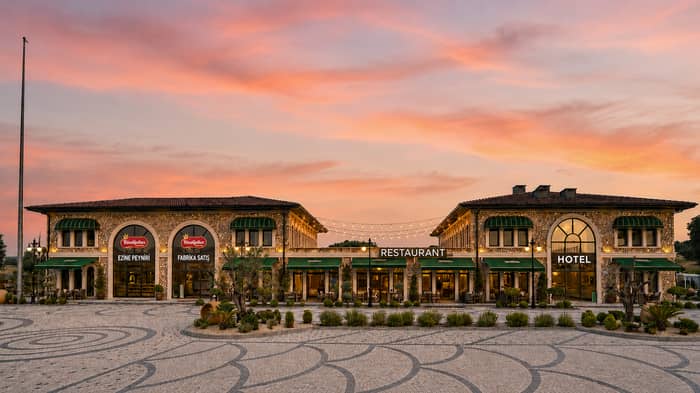
Yükseloğulları Otel is located on the Çanakkale–İzmir highway in Bozeli village, Ezine, about 20 km (12 miles) from Troy. Enter "Troy Museum" or "Troya Müzesi" into your navigation app to arrive at the entrance to the site. Directions to our hotel are on our Location & Getting Here page.
Troy, Gallipoli and the Troad: Suggested Itinerary
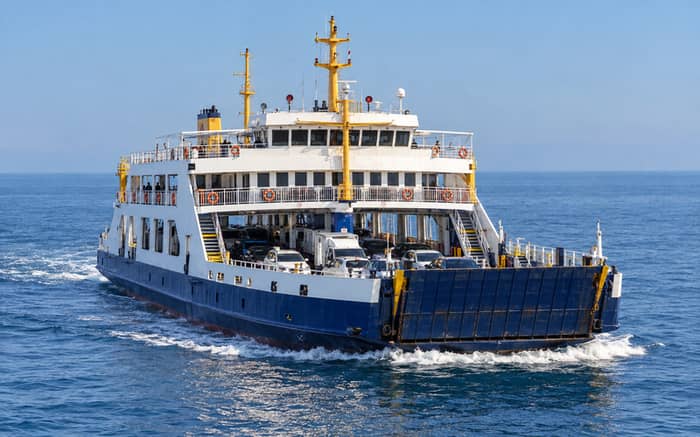
Many visitors combine Troy with the Gallipoli battlefields across the Dardanelles. Spending a day on each side of the strait lets you see both without rushing.
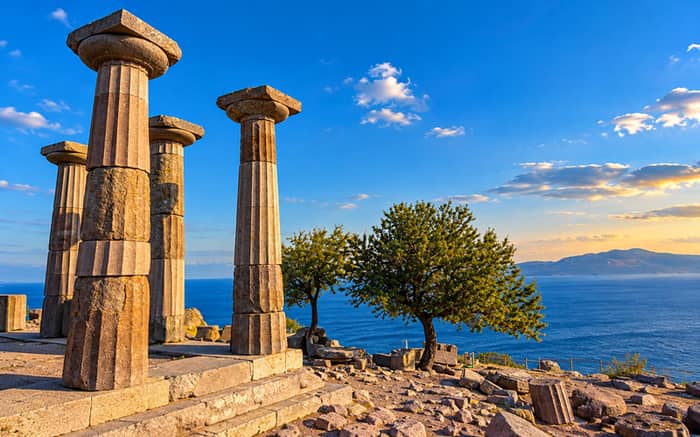
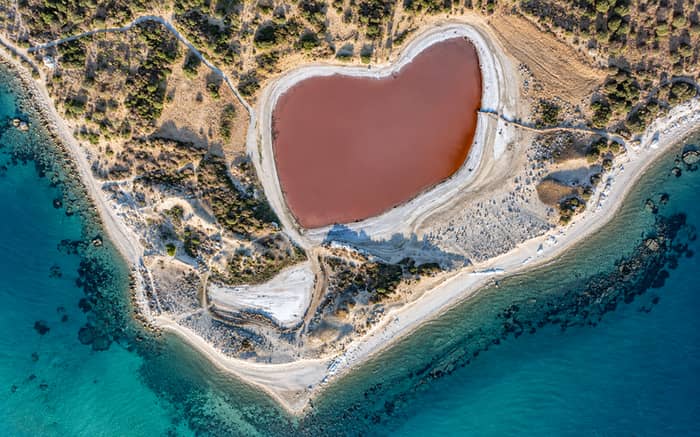
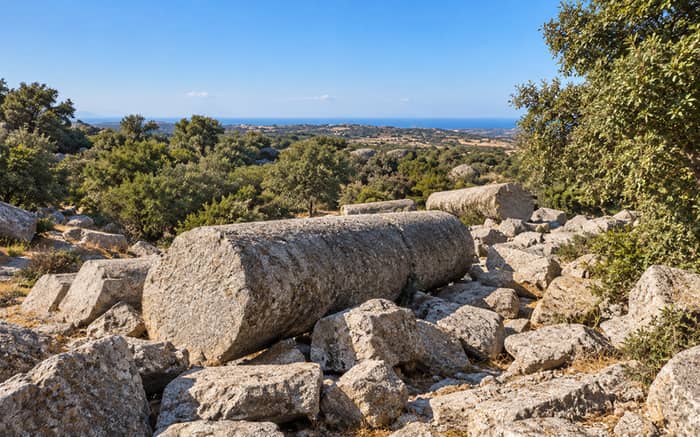
If you have a second or third day, explore the rest of the Troad: Alexandria Troas, the great Roman port of the region; the Pink Lake; the Temple of Apollo Smintheus, whose friezes show scenes from the Iliad; the island of Bozcaada, ancient Tenedos; and the Temple of Athena at Assos. Mythology fans can also head to Mount Ida, where Paris made his fateful judgement.
After Troy, Back at Our Hotel
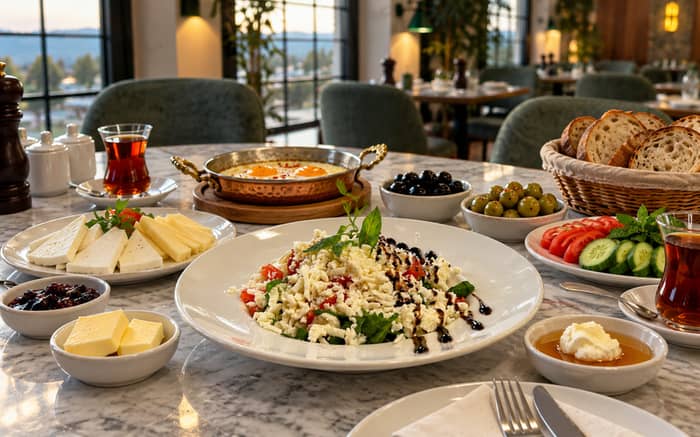
On your way back from Troy, you can end the day at our restaurant, open daily from 08:00 to 23:00 and serving the traditional flavours of the North Aegean. Every morning, hotel guests enjoy a village-style breakfast with the Ezine cheese our family has made since 1953.
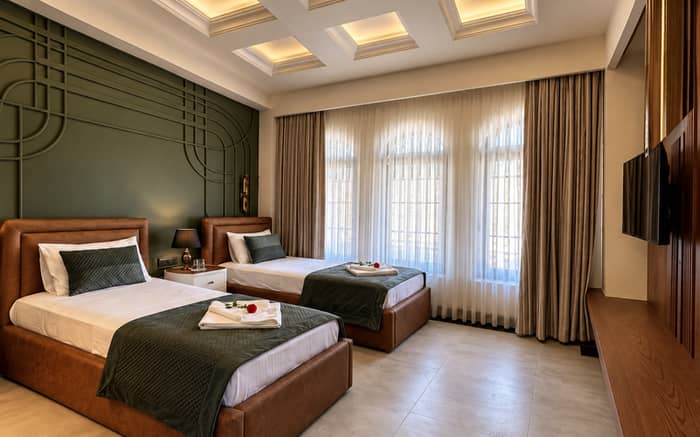
If you are still choosing a base, see our guide to where to stay near Troy. You can view our rooms and book directly with us.
Visiting Troy: Your Questions Answered
Are Troy, Troya and Truva the same place?
Yes. Troy is the English name; in Turkish, the official form is Troya, while Truva is the widely used popular name. In the Greek and Roman periods, the city was known as Ilion.
Is the wooden horse at Troy real?
No. The horse at the site was built in 1974 as a symbol of the legend. The story of the wooden horse comes from the Odyssey and the Aeneid, and no such horse has been found archaeologically.
Is the horse on the Çanakkale seafront the one from the film?
Yes. The wooden horse on the seafront in Çanakkale city centre was used in the 2004 film Troy and later donated to the city. It is a different structure from the 1974 horse at the archaeological site.
How long do I need for Troy and the Troy Museum?
Plan around 1.5 to 2 hours for the museum and another 1.5 to 2 hours for the ruins. To see both comfortably, set aside more than half a day.