Visiting Gallipoli takes a little more planning than choosing a single landmark on a map. The cemeteries, memorials and former battlefields occupy different parts of a long peninsula. A visit to Anzac Cove and the nearby ridges follows a different route from a day centred on the Turkish memorials around Cape Helles.
For some travellers, the journey is connected to family history. Others come to understand the Gallipoli campaign or to include the peninsula in a wider trip through western Türkiye. This guide brings together the main places to visit, crossings from Çanakkale and practical ways to give each part of the day enough time.
Where Is the Gallipoli Peninsula?
The Gallipoli Peninsula lies on the European side of the Dardanelles, opposite Çanakkale on the Asian shore. Its Turkish name is Gelibolu. The town of Gelibolu is farther north than the principal Anzac and Helles battlefield areas, so entering the town name into navigation may take you away from the memorial you intend to visit.
Eceabat and Kilitbahir are useful arrival points when crossing from Çanakkale. From either landing, you still need onward transport to the sites. The peninsula has several distinct visiting areas, each with its own roads, stopping places and walking conditions.
- The Anzac area: Anzac Cove, Lone Pine, nearby cemeteries and the ridges towards Chunuk Bair.
- The southern peninsula: the Çanakkale Martyrs’ Memorial and the Seddülbahir–Cape Helles area.
- The Dardanelles shore: Kilitbahir and the coastal batteries associated with the naval campaign.
A Short Introduction to the Gallipoli Campaign
The campaign formed part of the Allied attempt to force the Dardanelles and reach the Ottoman capital. The naval attack of 18 March 1915 failed, and landings followed on 25 April. Ottoman forces fought troops from Britain and its empire, France, Australia and New Zealand. The fighting continued for months, with the Allied withdrawal completed in January 1916.
Keeping the naval and land campaigns in mind helps connect the places you see. A battery overlooking the strait explains one part of the story; a cemetery above the Aegean coast explains another. A little preparation also leaves more time during the visit to read names, follow the landscape and pause at the places that matter to you.
Places to Visit on Gallipoli
Anzac Cove and the Arıburnu Shore
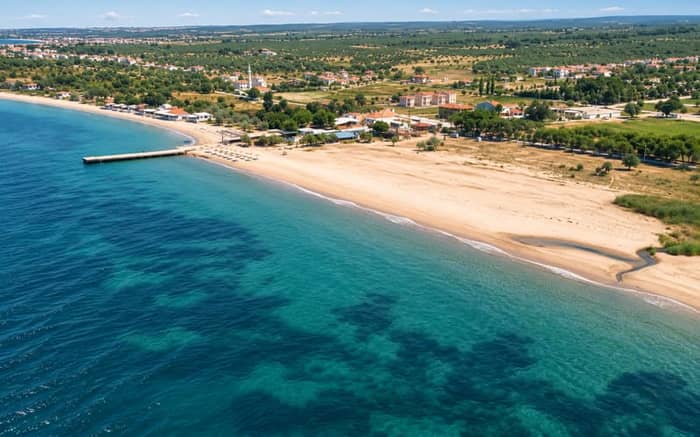
Anzac Cove is on the peninsula’s Aegean coast, in the Arıburnu area associated with the landings of 25 April 1915. The shoreline and the steep ground behind it help explain why movement inland was so difficult.
Allow time to look from the water towards the ridges before moving on. It is easier to understand the relationship between beach and battlefield when you have seen both. Nearby cemeteries also deserve an unhurried visit. Follow the marked access routes and leave space for people who have come to remember a relative.
Lone Pine Cemetery and Memorial
Lone Pine, in the Kanlısırt area, is particularly significant for Australian visitors. The cemetery and the memorial to the missing stand together, but they serve different purposes: names recorded on the memorial should not be confused with the number of graves in the cemetery.
If you are looking for a particular serviceman, establish whether his name appears on a memorial panel or on an individual headstone before travelling. Keep the relevant details available offline. A name, unit and grave or panel reference will be more useful on arrival than a general family account alone.
Chunuk Bair: Conkbayırı
Chunuk Bair is the English name commonly used for Conkbayırı. The area is especially important in New Zealand remembrance and contains New Zealand commemorative sites as well as the Turkish Atatürk Victory Monument.
Here, take time to read the landscape as well as the inscriptions. The coast, intervening slopes and higher ground make more sense when viewed together. Conditions can feel different from those at the shore, particularly in wind. Bring a layer you can put on easily and follow the paths rather than attempting shortcuts down the hillside.
The Turkish 57th Infantry Regiment Memorial
The 57th Infantry Regiment memorial complex stands beside the road towards Conkbayırı. Created in 1992, it is a symbolic cemetery and memorial rather than the regiment’s original burial ground. It commemorates the regiment’s role and losses during the campaign.
Including this stop adds an important Turkish perspective to a visit focused on the Anzac area. Give the inscriptions and reliefs the same attention you give the Commonwealth memorials, and allow for the presence of visiting families and organised groups.
Çanakkale Martyrs’ Memorial and the Southern Peninsula
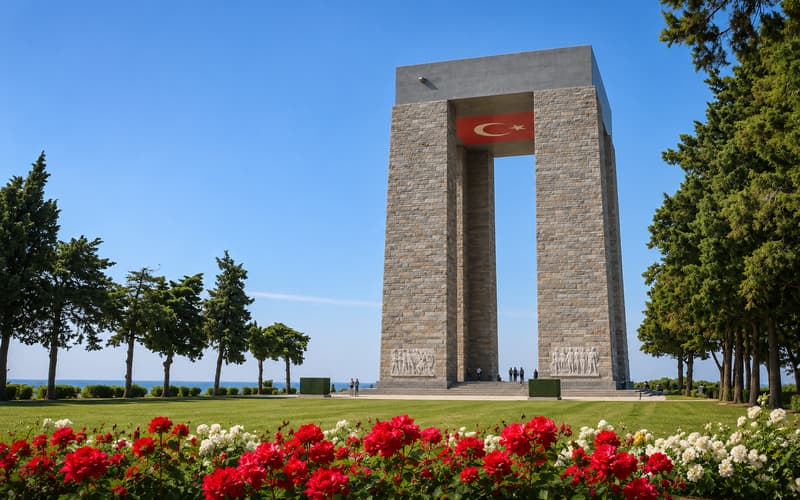
The Çanakkale Martyrs’ Memorial, known locally as Çanakkale Şehitler Abidesi, stands on Eskihisarlık headland in the south of the peninsula. Opened in 1960, it commemorates the Ottoman soldiers who died in the Çanakkale battles. The surrounding remembrance grounds include a symbolic cemetery.
This is a separate part of the peninsula from Anzac Cove and Chunuk Bair. Add it deliberately to a full-day programme rather than assuming it is beside the northern memorials. If the Helles sector is your main interest, consider devoting your day to the south and selecting additional stops around Seddülbahir.
Kilitbahir and the Coastal Batteries
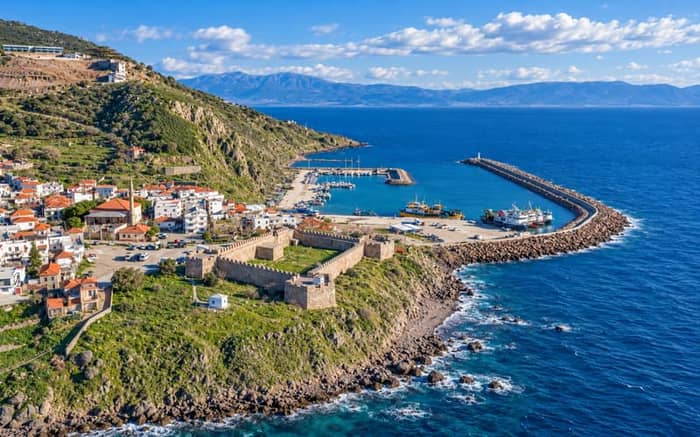
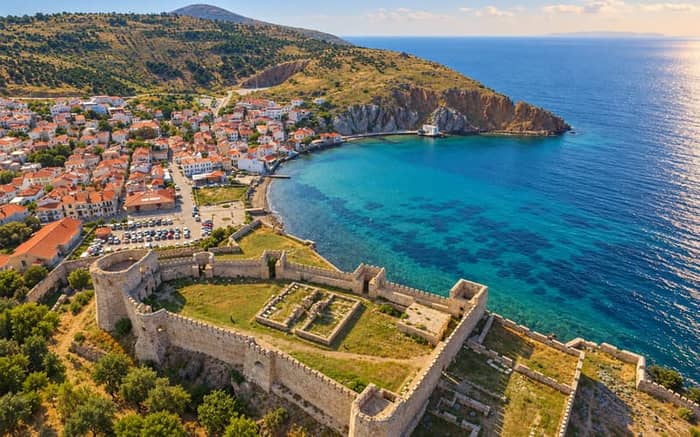
Around Kilitbahir, the narrow waterway and coastal defences provide context for the naval campaign. Rumeli Mecidiye Battery and the Seyit Onbaşı memorial area can form the beginning of a route heading south towards the Martyrs’ Memorial.
Decide whether you want to view the coastal landmarks, visit a museum or explore a particular fortification. Each choice requires a different amount of time. Adding every nearby attraction can quickly use up the hours you intended to spend at the battlefield cemeteries.
How to Reach Gallipoli from Çanakkale
Ferries to Eceabat and Kilitbahir
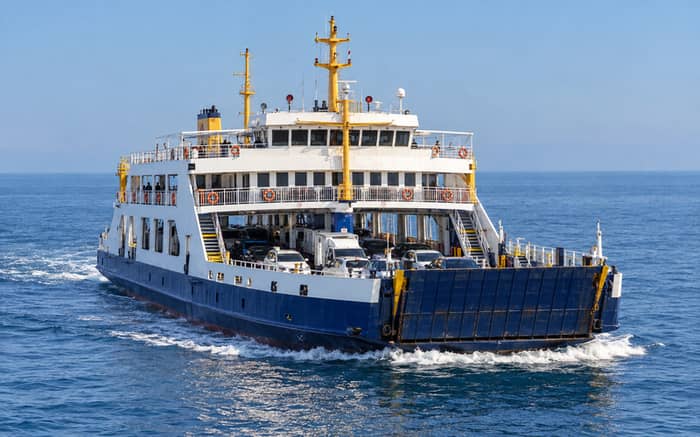
The Çanakkale–Eceabat and Çanakkale–Kilitbahir ferries connect the Asian shore with the peninsula. They provide crossings for passengers and vehicles, but your arrival at the opposite landing is only one stage of the journey.
If you are driving, compare the next suitable sailing with the road route to your first stop. Build in time for the vehicle queue and boarding. If you cross on foot, arrange your tour meeting point or onward vehicle before leaving Çanakkale. Do not assume that transport to every memorial will be waiting beside the ferry.
Check both outward and return services with GESTAŞ before travelling. Seasonal timetables, weather and operating conditions can affect the crossing. A fixed departure time copied from an older itinerary is not a dependable basis for your day.
Crossing by the 1915 Çanakkale Bridge
The 1915 Çanakkale Bridge crosses the Dardanelles farther north, in the Lapseki–Gelibolu area. It provides a road alternative to the ferry, followed by a drive towards the battlefield areas.
The useful comparison is the entire journey from your starting point: road distance, bridge and motorway charges, likely ferry waiting time and your chosen first stop. The bridge can suit some travel itineraries, while a crossing from Çanakkale may fit others. Check the route rather than automatically selecting either option.
Guided Gallipoli Tour or Independent Visit?
A good guide can explain why particular ridges, gullies and coastal positions mattered. For visitors unfamiliar with the campaign, that context can be as valuable as the transport. Before booking a Gallipoli tour, ask for the actual stop list, the guiding language, the meeting point and the time available at each cemetery.
Also check whether the itinerary covers the Anzac area, the southern Turkish memorials or both. Confirm which ferry crossings, admissions and meals are included. If your visit centres on a family connection, tell the operator in advance; a standard group itinerary may not reach the cemetery you need.
Independent driving gives you control over the pace. Plan the route before setting off, download useful maps and follow local signs, including any one-way arrangements or temporary restrictions. Walking can form part of a visit, but a route linking distant memorials needs separate planning for gradients, weather and the journey back to your vehicle.
How Much Time Do You Need?
The following suggestions refer to time on the peninsula. Your journey from Ezine or elsewhere, ferry waiting and the return trip are additional. Treat the estimates as planning allowances, with room for longer visits or changes on the day.
Half a Day: Concentrate on One Area
For an Anzac-focused visit, allow roughly three to four hours for Anzac Cove, Lone Pine, the 57th Regiment memorial and Chunuk Bair. This assumes transport between stops and relatively short walks, rather than a continuous walking tour. Allow longer if you want to trace a particular unit or spend time at additional cemeteries.
Alternatively, use the same part of a day for selected southern stops, such as the coastal batteries and the Martyrs’ Memorial. Choosing one area gives you more room to absorb what you see.
A Full Day: Selected Northern and Southern Stops
Around seven to eight hours on the peninsula can accommodate a broader visit. One possible sequence is:
- Arrive by ferry and continue towards Kilitbahir and the Rumeli Mecidiye area.
- Visit the Çanakkale Martyrs’ Memorial.
- Allow a lunch and rest stop around Alçıtepe.
- Continue to Anzac Cove and Lone Pine.
- Visit the 57th Regiment memorial and Chunuk Bair.
- Return to your departure point with time for the crossing.
This is a selection of sites, not a complete battlefield itinerary. An extended museum visit, a long walk or additional Helles cemeteries will require more time or fewer other stops. In the shorter daylight hours of winter, reduce the programme accordingly.
Two Days: Gallipoli and Troy
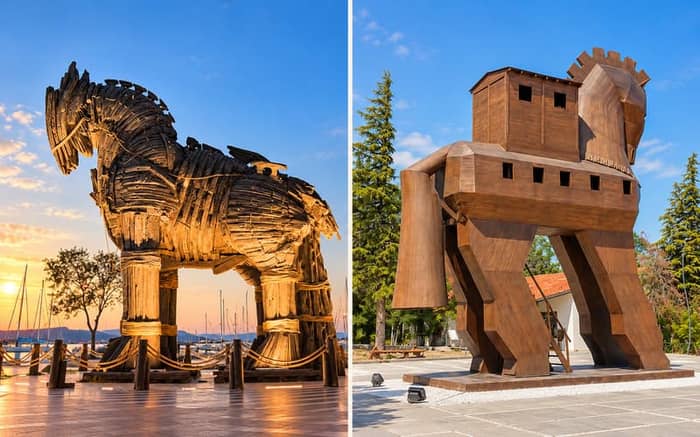
Gallipoli and Troy lie on opposite sides of the Dardanelles. Giving each its own day makes room for the peninsula’s memorials and for both the archaeological site and museum at Troy. Our guide to Troy Ancient City and the Troy Museum will help you plan the second day.
The Visitor Centre, Admissions and Opening Hours
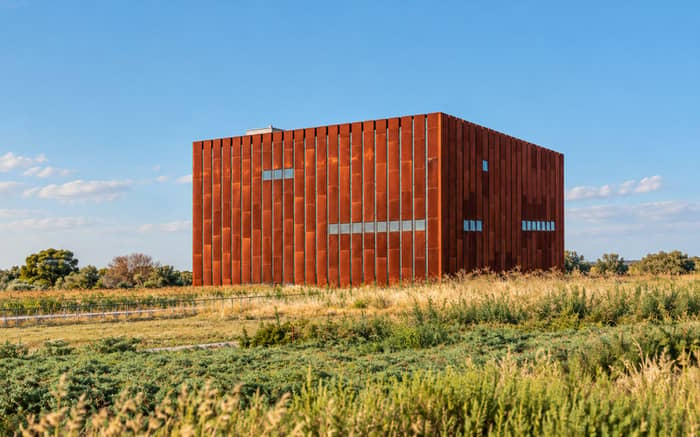
The Çanakkale Epic Presentation Centre near Kabatepe can add exhibition and audiovisual context to the outdoor sites. If you want to include a presentation, check its operating status, available language, session arrangements and ticket requirements before building your day around it.
Museum admissions, presentations, transport and guided services are separate elements of the budget. Confirm the arrangements for the individual places you intend to enter. Seasonal opening hours also matter: arriving at an outdoor memorial late in the day does not mean a nearby museum will still be admitting visitors.
Anzac Day and Everyday Visits
Anzac Day on 25 April requires its own travel plan. Ceremonies can involve registration, controlled access and special transport arrangements. Check the official requirements for the year you intend to attend; booking a tour should not be assumed to complete any individual attendance registration.
For an ordinary visit, you have more freedom to choose your stops and pace. Around commemorations, follow the announced restrictions rather than relying on a normal sightseeing route. A particular cemetery visit may need to take place on a different day.
Practical Advice for a Respectful Visit
- Wear comfortable shoes suitable for uneven ground and bring a windproof or warm layer when conditions require it.
- Carry water and plan food and toilet stops before beginning the more rural parts of your route.
- Keep voices low in cemeteries and give other visitors space for private remembrance.
- Use marked paths and avoid climbing on memorials, headstones or protected trench remains.
- Leave historical objects and fragments where they are.
- Discuss mobility needs with your transport provider before booking, including access from parking areas to individual sites.
With children, select fewer stops and explain the places in language appropriate to their age. Break up the day with rest periods. The journey to the peninsula can already be substantial, so consider the complete day when deciding how much walking to include.
Including Gallipoli in a Stay near Ezine
Yükseloğulları Hotel is in Bozeli village near Ezine, on the Çanakkale–İzmir road. Çanakkale city centre is approximately 45 kilometres from our hotel. That figure does not include a ferry crossing or the onward drive to the memorials. You can check our location and directions when planning your departure.
For guests combining Troy, the Ezine area and the coast over several days, Gallipoli can be a separate full-day excursion. If your trip is devoted mainly to the peninsula, compare accommodation closer to its ferry landings or on the peninsula itself. Our guide to choosing a base near Troy and Ezine explains the regional options.
Once your wider route is settled, you can check room availability at Yükseloğulları Hotel for the nights you plan to spend in the Ezine area.
Frequently Asked Questions about Visiting Gallipoli
Can you visit Gallipoli without a tour?
Yes, an independent visit is possible. Arrange transport between the sites, choose your priorities and check access conditions. A guide is particularly useful when you want help understanding the terrain, the sequence of the fighting or a specific family connection.
Can you walk to Anzac Cove from the ferry?
The ferry landings and Anzac Cove are separate destinations. For a normal day visit, arrange onward road transport. A longer walking itinerary requires deliberate route planning and enough time for both the outward journey and your return.
Are Gallipoli and Gelibolu the same place?
Gelibolu is the Turkish name associated with Gallipoli, but it also names a town in the northern part of the peninsula. When travelling to a battlefield or memorial, use the individual site name rather than assuming the town centre is your destination.
How long should you allow for the Gallipoli battlefields?
A half day can cover selected sites within one area. A full day allows a broader route, while detailed cemetery visits or both northern and southern sectors may justify two days. Add travel to and from your accommodation separately.
Is Gallipoli suitable for visitors with limited mobility?
Access varies between sites. Some visits involve slopes, steps or uneven surfaces, so discuss the exact stops and walking distances before travelling. A shorter itinerary with suitable vehicle access may be more comfortable than following a standard full-day route.
Can you visit Gallipoli and Troy in one day?
A limited visit to both is possible with careful transport arrangements, but it leaves less time at each destination. Two separate days are more comfortable if you want to include the Troy Museum and spend meaningful time at Gallipoli’s cemeteries and memorials.