Turkish food takes on a local character in Çanakkale, where Ezine cheese, olive oil, seafood and cheese desserts can all become part of your trip. If you are wondering what to eat in Çanakkale, start with the places on your itinerary: a village breakfast near Ezine, fish on the coast or a small jar of tomato jam from Bozcaada. This guide covers the wider province, helping you choose what to try, where to look and which food souvenirs suit your journey home.
Turkish Food in Çanakkale: Choose by Location
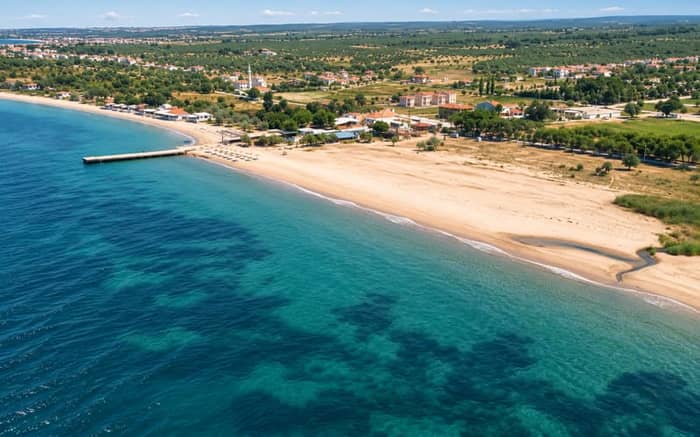
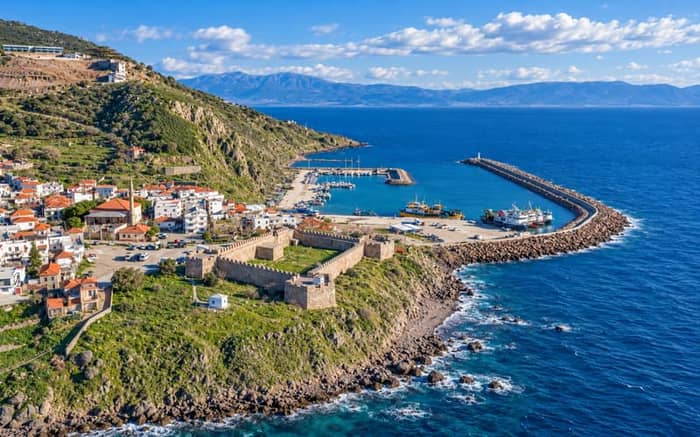
Çanakkale is both a city and a province. Ezine, Biga, Gallipoli and the islands are separate destinations, so a regional food list is not a single walking route. Choose a few specialities along the journey you already have planned. A breakfast, one local dish and a small sweet treat can introduce you to the area without turning the day into a succession of long drives.
| Area |
Look out for |
How to enjoy it |
| Ezine and Geyikli |
Ezine cheese, olives and olive oil |
Breakfast and producer-shop visits |
| Çanakkale city and Gallipoli |
Peynir helvası and fish |
A meal or dessert stop |
| Assos and Babakale |
Fish and seafood |
Lunch or dinner during a coastal visit |
| Bozcaada |
Çavuş grapes, tomato jam and seafood |
Seasonal tasting and small gifts |
| Biga |
Biga meatballs and cheese dessert |
A meal when travelling through Biga |
| Bayramiç |
Tahini halva and apples |
Local shopping during a district visit |
Seafood and Biga Meatballs
Along the coast, sardines are among the fish to look for when available. Asma yaprağında sardalya means sardines cooked in vine leaves, while lüfer pilavı pairs bluefish with rice. These names help you recognise local dishes, but availability depends on the season and the kitchen. Ask what fish is available that day before choosing your meal.
A seafood lunch fits naturally into a visit to Assos or Babakale. Before ordering, establish whether fish is priced by weight or by the portion and whether side dishes are included. Inland, Biga köftesi is the district’s local meatball speciality. It is a useful option if your route takes you through Biga; include the extra journey when considering it from a base near Ezine.
Olive Oil Dishes and Traditional Vegetables
Zeytinyağlı describes vegetables prepared with olive oil, a useful term to recognise on menus. Çanakkale’s traditional dishes also include Tumbi, made with göce, a wheat ingredient, alongside aubergine, tomato and onion. Çırpma combines greens such as spinach and onion with a flour-based mixture baked in the oven.
These home-style dishes are not necessarily permanent restaurant-menu items. At a small lokanta, or casual eatery, asking what has been cooked that day can be more helpful than searching for a long list of regional names. For sightseeing ideas around your meal stops, our guide to Ezine and the Troad brings together nearby villages, ancient sites and coastal destinations.
Turkish Desserts from Çanakkale: Peynir Helvası and More
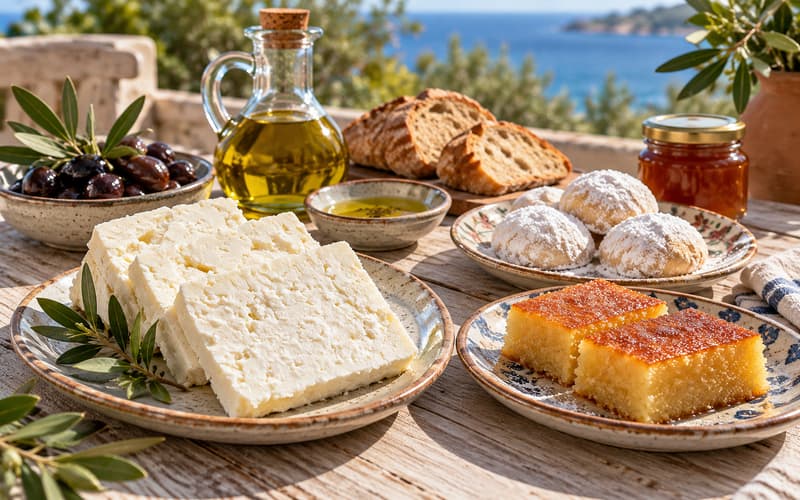
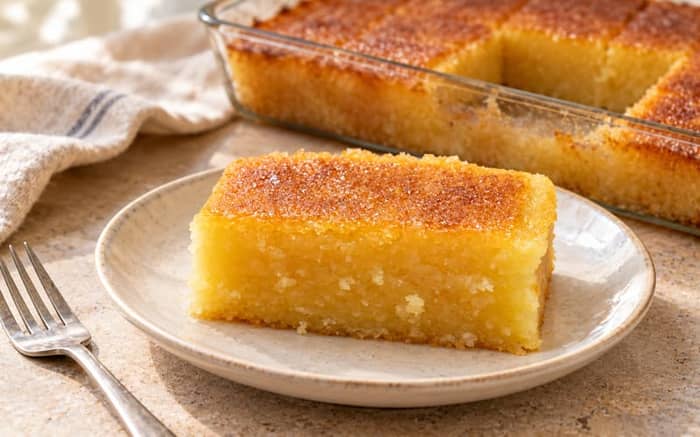
Peynir helvası is a local cheese dessert made with fresh cheese. You may encounter it baked, with a browned surface, or without the final baking stage. Its texture differs from the firm sesame halva you may know from food shops. A small portion is a good introduction, especially if you plan to continue tasting other local foods.
The cheese used for this dessert is different from the mature, brined Ezine cheese served at breakfast. Our peynir helvası guide explains the variations and what to consider when buying it.
Biga peynir tatlısı is a separate sweet: small pieces of cheese-based dough are baked and soaked in syrup. Bayramiç tahin helvası is based on tahini, a sesame paste. Keeping the Turkish names alongside these descriptions makes it easier to recognise what you are ordering. If you want a takeaway package, ask for the product’s storage instructions before buying it for a long journey.
Ezine Cheese: From the Breakfast Table to the Producer’s Shop
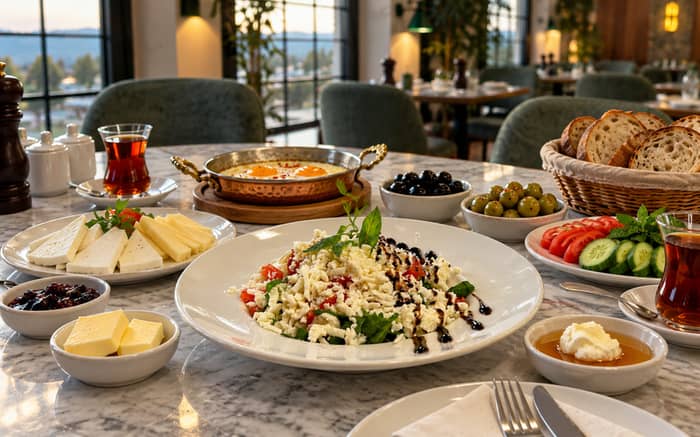
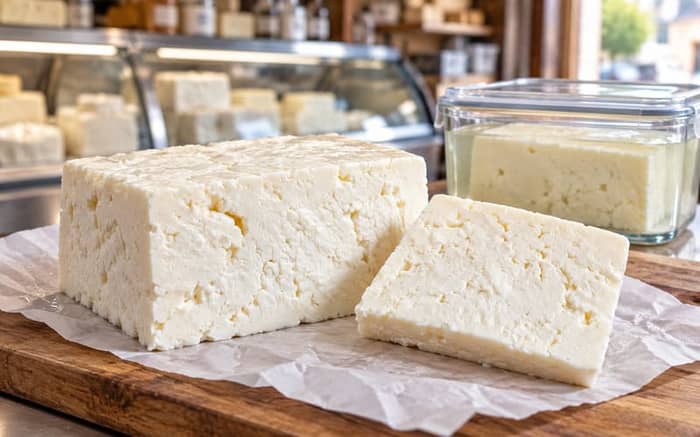
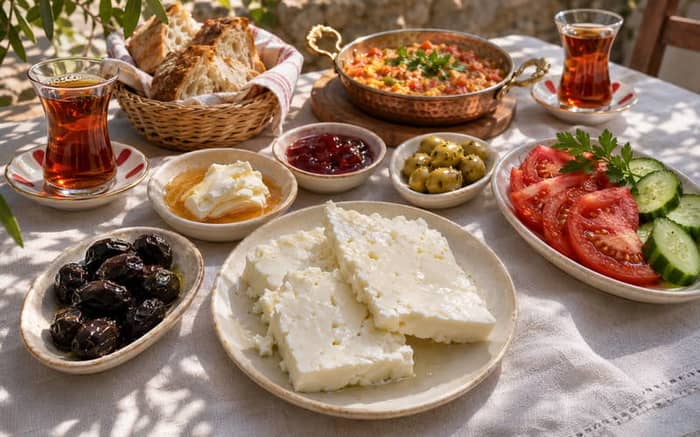
Ezine peyniri is a geographically protected white cheese matured in brine. Breakfast is an easy way to discover it: try a small piece on its own, then with bread, tomato and olives. Seeing how it fits into a Turkish breakfast gives you more context than simply buying a large package to take away.
When shopping, look for clear producer details, the product name and storage instructions. Ask about the milk used and maturation if you want to compare different options. Smaller packs may be more practical than one large container, particularly when you are sharing gifts or will not finish an opened pack quickly.
You can read more about the cheese’s origins and maturation in our guide to what Ezine cheese is and how it is made. For international travel, check the food-entry rules for your destination before treating cheese as a souvenir.
Olive Oil, Honey and Butter
A breakfast around Ezine can introduce you to olives, olive oil, honey and butter as well as cheese. Tasting them separately helps you decide what you would enjoy using at home. With olive oil, consider whether you want it for salads, dipping bread or cooking, and check the product category and producer on the label.
Geyikli Zeytinyağı is registered as a geographical indication in Türkiye. The name refers to a defined product, rather than every bottle sold in the surrounding area. For honey, clear product and producer information is also useful; broad descriptions such as “natural” tell you less about its origin.
Butter and other products requiring refrigeration need a plan for the hours after purchase. If you will spend the day visiting beaches or archaeological sites, arrange suitable cold storage or leave that shopping until later. A well-chosen small purchase is easier to manage than a bag of food that does not suit the rest of your trip.
Bozcaada Grapes and Tomato Jam
Bozcaada Çavuş Üzümü is a table grape associated with the island’s vineyards and registered as a geographical indication in Türkiye. Fresh grapes are seasonal, and harvest timing varies with weather conditions. If tasting them is a main reason for your visit, check availability with local producers or shops before travelling.
Domates reçeli, or tomato jam, offers another introduction to the island’s food culture. Try a little at breakfast before choosing a jar to take away. For a break during your island walk, you may also come across mastic-flavoured coffee and biscuits. Our Bozcaada island guide can help you combine food stops with the rest of your visit.
Food Souvenirs: What to Buy and How to Plan
Producer shops are useful places to look for cheese and olive oil, while specialist sweet shops can explain their own desserts. On Bozcaada, local shops offer opportunities to explore island preserves. Ask where an item was produced, rather than relying only on a place name printed on the packaging.
- Match purchases to your journey: Leave chilled products until you can keep them at the required temperature.
- Choose suitable packaging: Check seals and readable labels, and protect glass jars from breakage.
- Buy manageable quantities: Smaller packages can work better for gifts and occasional use.
- Check ingredients: Dish names alone do not tell you about allergens or every ingredient used.
Taking food elsewhere within Türkiye and carrying it across an international border involve different rules. For example, travellers generally cannot bring cheese from Türkiye into the EU in personal luggage. Vacuum sealing does not remove this restriction. Other destinations have their own rules, so check what applies before buying dairy products for the flight home.
Olive oil, honey and jam also need to comply with baggage rules, including restrictions on liquids and gels in cabin baggage. Airline acceptance and permission to import food are separate checks. If a product cannot travel with you, enjoying it during your stay can be the better way to remember it.
A Breakfast and Local Food Stop in Ezine
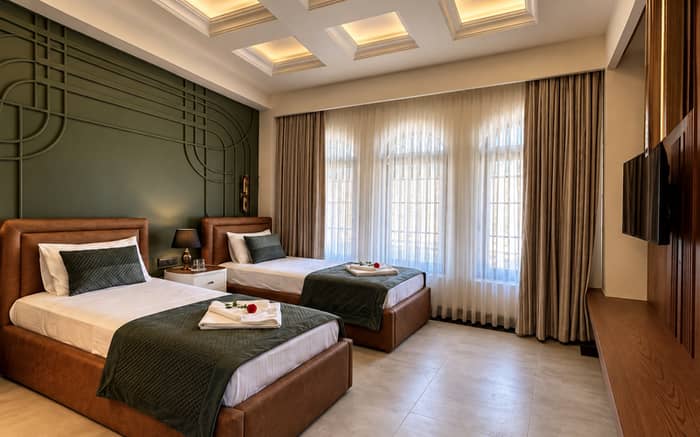
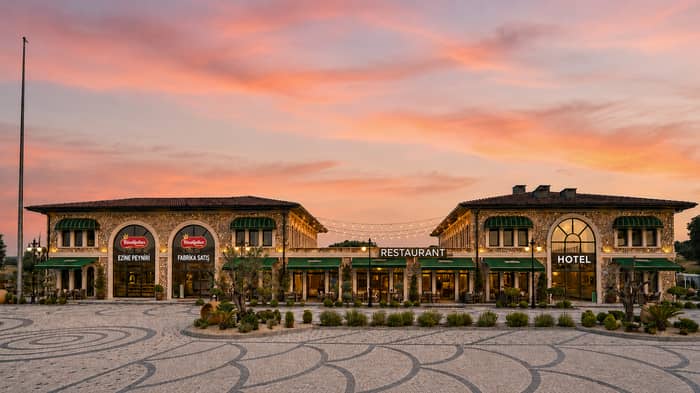
Our family has been producing Ezine cheese since 1953. At Yükseloğulları Hotel, breakfast brings our own cheese together with butter, olives, olive oil, honey and other breakfast dishes. The selection can change with the season. Explore our village breakfast in Ezine to plan a relaxed start before setting out.
The producer’s shop beside our restaurant sells Ezine cheese, kaşar cheese, butter, honey and olive oil. You can combine breakfast with shopping, choosing products that suit the journey ahead. We are in Bozeli village on the Çanakkale–İzmir road, making a meal stop part of your travels through the region.
Our restaurant opens daily from 08:00 to 23:00, with breakfast service starting at opening time. Breakfast is included for guests staying at our hotel, and visitors are also welcome to dine with us. See our restaurant and local product selection when planning your visit.
Çanakkale Food: A Few Practical Questions
Are there local options for vegetarians?
Olive oil vegetable dishes, Tumbi and some dishes made with greens are worth asking about. Preparation varies between kitchens, so check for meat stock, butter, eggs or cheese according to your needs. A vegetable-based dish is not automatically vegan.
What should I try on a first visit?
If you are staying around Ezine, start with cheese at breakfast and try a small portion of peynir helvası somewhere along your route. Add seafood on a coastal or island day. This gives you several different local flavours while leaving room for sightseeing and a comfortable journey.