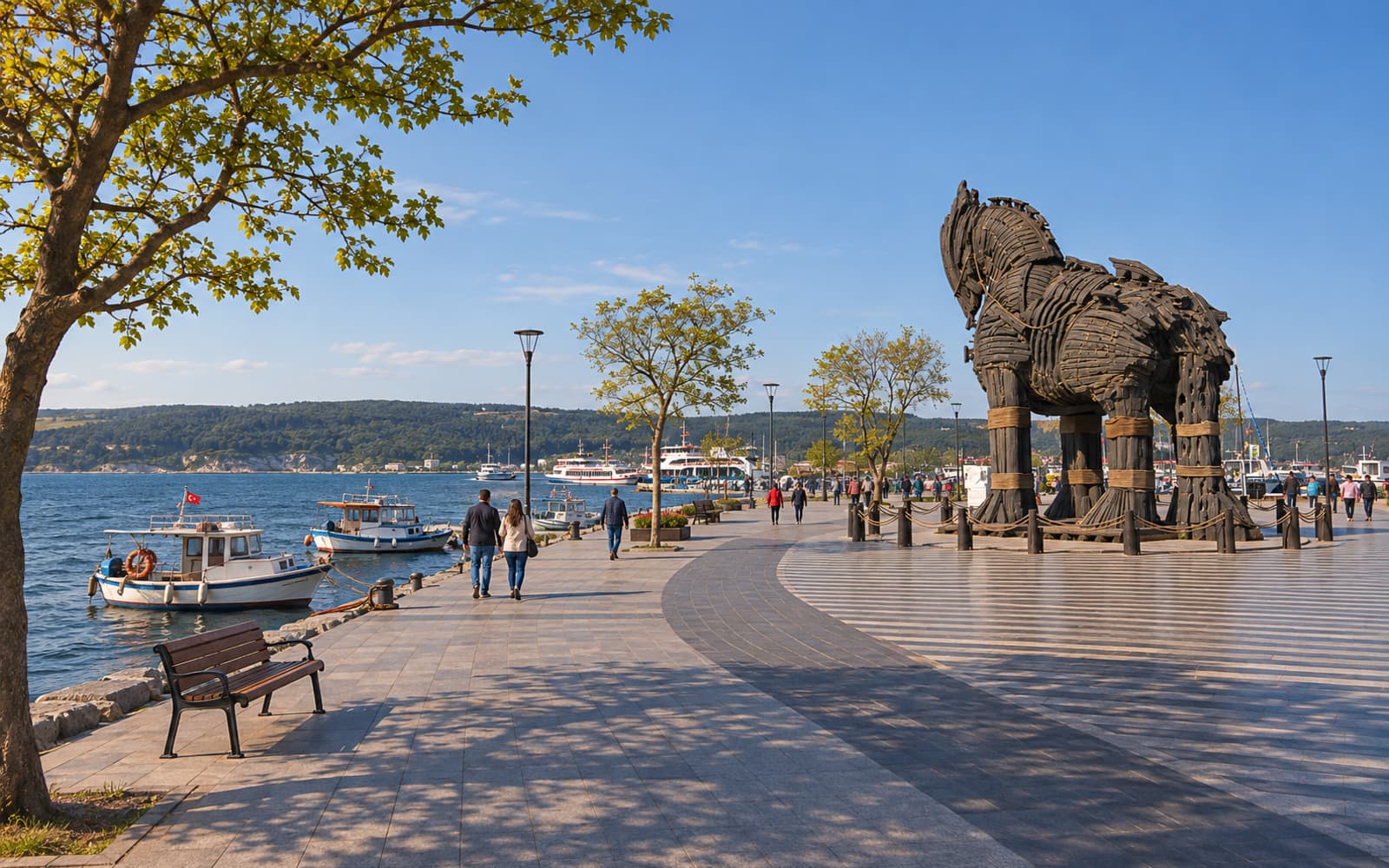
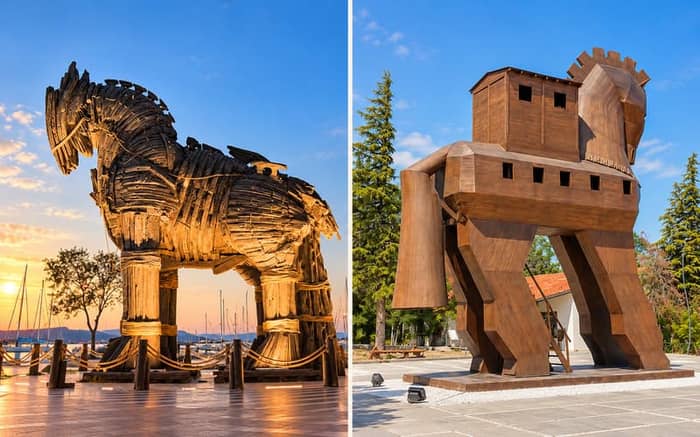
If you arrive in Çanakkale, Turkey, expecting to find Troy beside the ferry terminal, the wooden horse on the waterfront might convince you that you’re in the right place. It’s the horse from the 2004 film Troy. Ancient Troy lies south of town, near the village of Tevfikiye. Gallipoli is in another direction altogether: its battlefields and memorials are across the Dardanelles, on the European shore. Getting those three places straight is the first step to a good visit.
The city deserves some time between excursions. Its waterfront, old bazaar, clock tower and Ottoman fortress make an easy walk, and you can watch the ferries cross the strait over a glass of tea. With one day, stay in town or make Troy your main visit and return for an evening on the waterfront. With two or three days, you have time to follow what brought you here, whether that was archaeology, family history or a journey down the Aegean coast.
Things to do in Çanakkale: a walk from the waterfront to the old town
Start with the Trojan Horse on the Kordon
The waterfront promenade is called the Kordon. Start at the wooden horse and walk towards the ferry terminal, with the strait beside you. This short stretch gives you a useful sense of the city’s geography. You’re standing in Asia, looking across at the Gallipoli Peninsula in Europe. Ferries make the short crossing between the two shores while larger ships follow the strait. The Kordon is a good place to come back to in the evening, even if you only have time for a brief stop on arrival.
You don’t need a museum ticket to see the film prop. If you’re travelling with someone who knows the story from Homer or Hollywood, save the archaeological questions for the site itself. Our guide to the Trojan Horse, the legend and the evidence explains what you can see in town and what belongs to the story of ancient Troy.
Walk inland to the Clock Tower and Aynalı Çarşı
Near the ferry landing, the Clock Tower marks the turn into the old commercial quarter. Take the streets around Yalı Caddesi and Fetvane Sokak rather than following the traffic away from the port. If you enjoy local history, the City Museum and Archive on Fetvane Sokak makes a worthwhile detour. Its building once housed the Emek Hotel. Where the waterfront tells the story of a shipping route, the museum tells you about the people who made a living beside it.
Continue to Aynalı Çarşı, usually translated as the Mirrored Bazaar. It’s a compact covered market. The detail to look for is outside: above the red stone arch is an inscription in Ottoman Turkish, Hebrew and French. It’s easy to walk straight past it on the way to the shops, yet few sights give such a concise introduction to the old port. If you’re arriving late, put the bazaar first and leave the waterfront for afterwards.
See Çimenlik Fortress and the Naval Museum
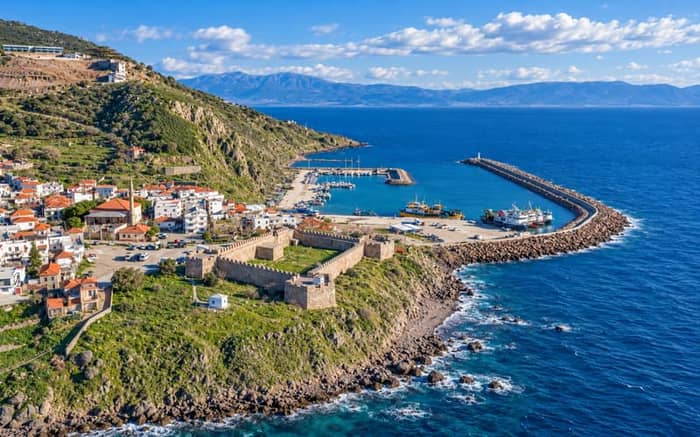
Head back towards the water for Çimenlik Fortress, part of the Çanakkale Naval Museum. Across the strait stands Kilitbahir Fortress. Seeing the two positions in relation to each other explains why this narrow passage mattered long before the First World War. This is the museum to choose if you want to understand the defence of the Dardanelles before visiting the Gallipoli battlefields.
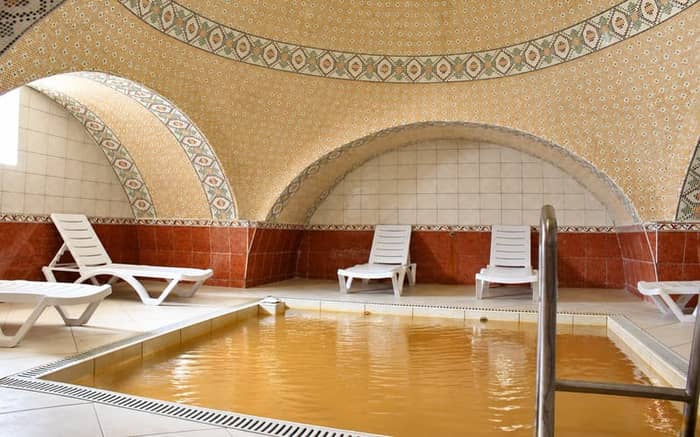
If ships and military history aren’t your main interests, consider the Ceramics Museum instead. It occupies a former military bathhouse in the Cevatpaşa neighbourhood and introduces a craft closely associated with the city. Allow extra time for the detour. The Naval Museum, City Museum and Ceramics Museum close on Mondays, so a Monday city walk works best as a waterfront and old-town outing. On other days, if a particular museum matters to you, visit it first and finish the walk at the horse.
Which day trip from Çanakkale should you choose?
Troy: the archaeological site and museum belong together
For archaeology, head south on the Asian side to Tevfikiye. The Troy Museum and the archaeological site are close enough to visit together, but allow time for both. Troy is a sequence of settlements built over one another. Without that context, it can be difficult to tell why one stretch of wall sits higher than another. The museum’s entrance ramp introduces the layers before you meet them outside. Its pottery, metalwork and everyday objects also give you an idea of the lives lived behind those walls.
On a mild day, we suggest the museum first and the ruins afterwards. In hot weather, walking the exposed site in the morning and keeping the museum for later makes better use of the day. From central Çanakkale you can travel to Tevfikiye by road, including by local minibus. If you aren’t driving, establish where and when the return minibus leaves before starting the visit. Our visitor’s guide to Troy and the Troy Museum explains what to look for at each stop.
Gallipoli: cross the Dardanelles and allow a day on the peninsula
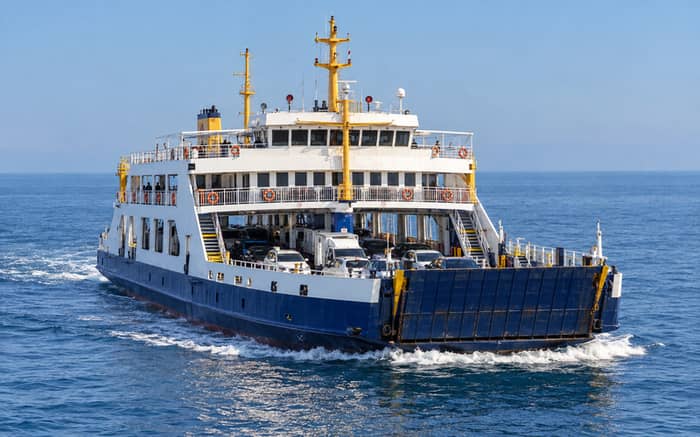
Ferries run from central Çanakkale to Eceabat and Kilitbahir. Either crossing puts you on the Gallipoli Peninsula; neither drops you at Anzac Cove or the Turkish Martyrs’ Memorial. The sites are spread along the coast and up on the ridges. If you’re crossing on foot, the most important part of the plan is how you’ll travel on the far side. Arrange onward transport or a guided visit before boarding rather than assuming you can walk between all the memorials.
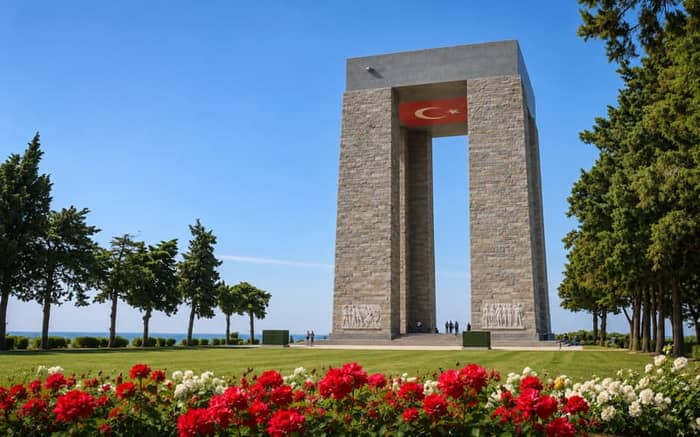
Anzac Cove, Lone Pine and Chunuk Bair suit a day focused on the Anzac sector. The Turkish Martyrs’ Memorial lies farther south. If you are looking for a particular cemetery, use its name as your destination: the modern town of Gelibolu, also called Gallipoli, is not the location of the main battlefield sites. Our Gallipoli Peninsula guide sets out the northern and southern routes so you can leave time for the places that mean the most to you.
Bozcaada: an island day starts at Geyikli
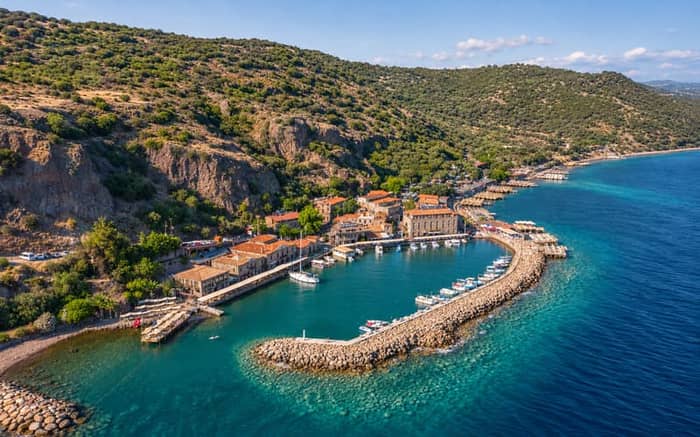
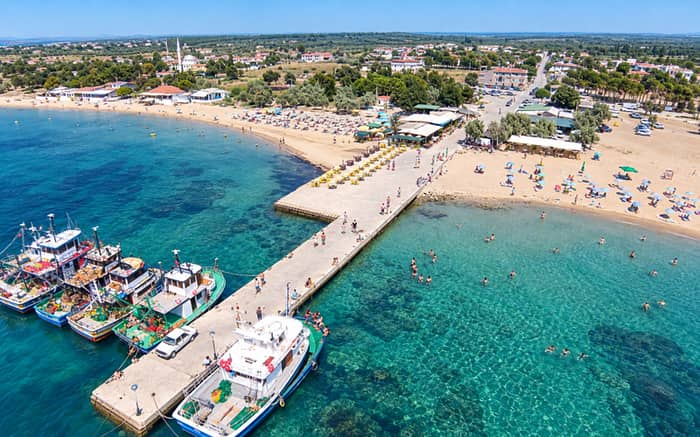
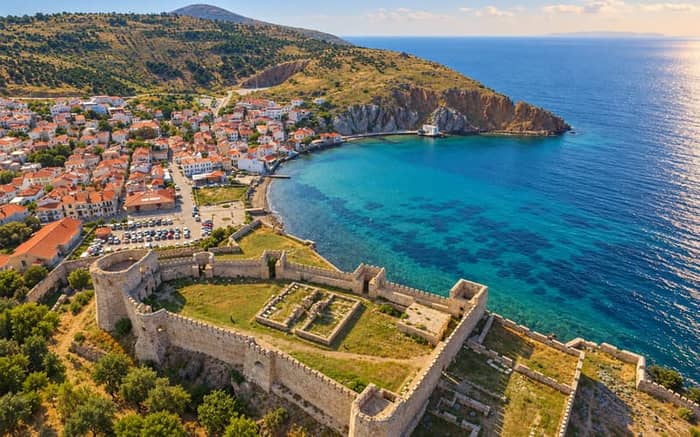
Bozcaada, historically known as Tenedos, makes a good choice if you want a harbour lunch, old neighbourhoods and an afternoon by the sea. Its ferry leaves from Geyikli Yükyeri pier, south of Çanakkale. It does not leave from the city’s Gallipoli ferry terminal. If you are navigating by car, use the ferry pier as your destination; the historic Odunluk pier is a different place.
For a short visit, you can cross as a foot passenger and explore the streets around the island harbour and castle. Ayazma Beach and the western end of the island need an onward journey. Check the return sailing before deciding how far to go, especially outside summer or on a windy day. Our Bozcaada island guide will help you choose between a town walk and a longer island outing.
Assos or the Ezine coast: two reasons to keep travelling south
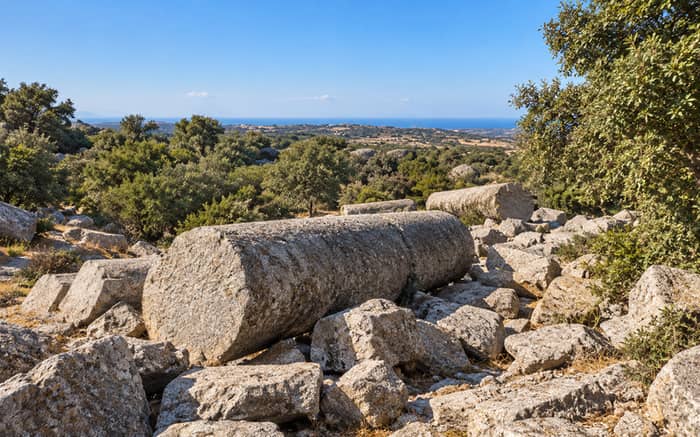
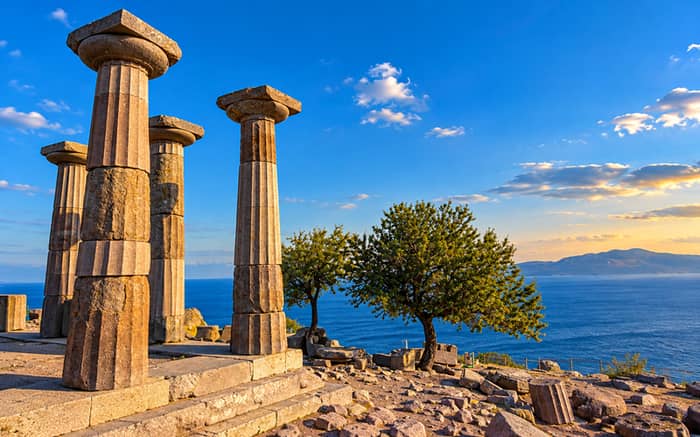
At Assos, the Temple of Athena stands high above the Aegean at Behramkale. The village streets, the archaeological site and the old harbour occupy different levels of the hillside. Decide whether you want to spend your time among the ruins or down by the water before attempting both, particularly if steep, uneven ground is a concern. Our guide to Assos and the Temple of Athena explains the layout.
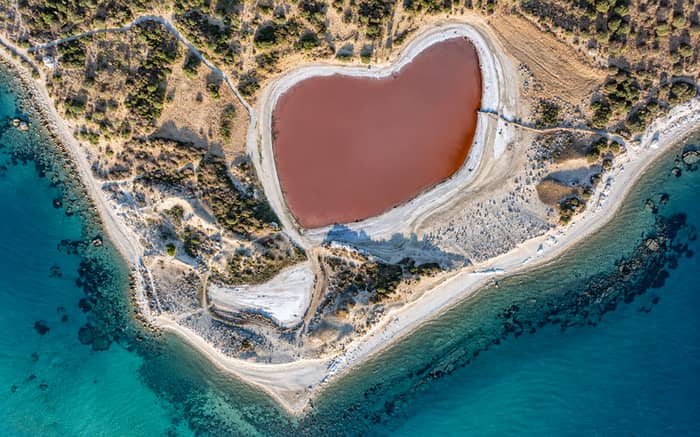
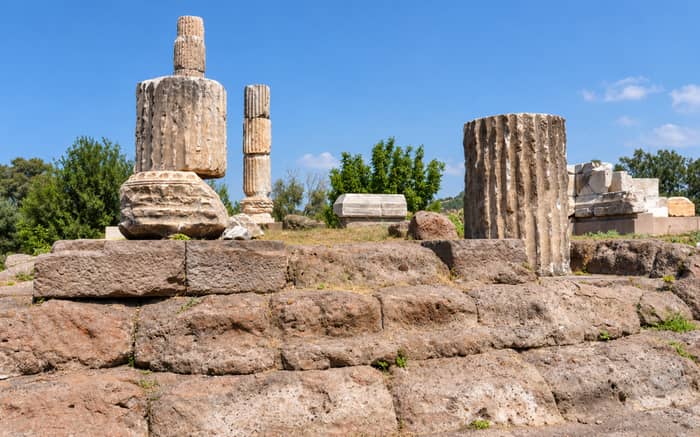
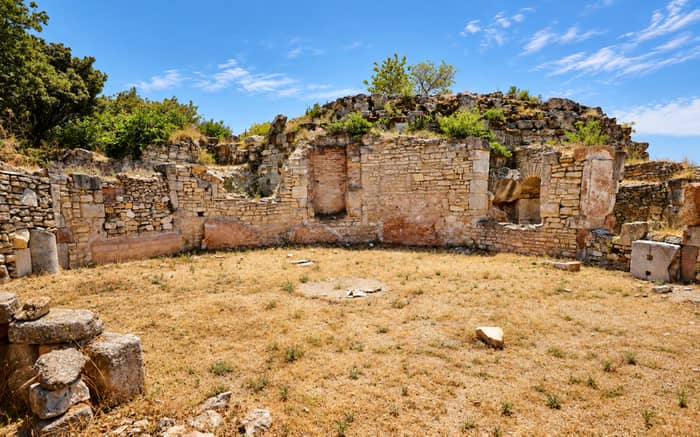
For a quieter archaeological outing closer to Ezine, consider Alexandria Troas near the village of Dalyan. It was a port city in its own right, distinct from Homer’s Troy. The nearby Pink Lake occupies part of the old harbour landscape; it won’t necessarily look pink on the day you visit. You’ll find these coastal stops, as well as an ancient granite quarry, in our guide to Ezine and the Troad. The Troad is the historical name for this part of northwestern Anatolia.
Getting to Çanakkale from Istanbul and deciding whether to drive
From Istanbul, the main choices are an intercity coach or a road journey by car. Check which Istanbul terminal your coach uses and where it arrives in Çanakkale; the intercity bus station and the downtown ferry landing are separate places. If driving via the European shore, the 1915 Çanakkale Bridge crosses farther north, between the Gelibolu and Lapseki areas. It is useful on a journey between regions, but it isn’t a bridge from the city waterfront to the battlefield sites. Çanakkale also has a local airport. Check routes for your dates before planning around a direct flight.
A car adds little to a day spent walking the old town. It becomes useful when your itinerary links Troy with Ezine and Assos, or when you want to visit several scattered memorials. Spring and autumn generally suit long outdoor visits. In summer, keep exposed ruins for the cooler hours; in winter, the shorter daylight matters more than the distance on the map. On an island day, the wind and the return ferry should have the final say.
Putting together one, two or three days
One day: Choose the city walk, a museum and lunch in the old quarter. If Troy is the reason for your visit, reverse the emphasis: see the archaeological site and museum in daylight, then stop at the waterfront horse on your return. Trying to fit in a Gallipoli crossing as well would leave little time at any of the sites.
Two days: For a city break, spend the first day in town and choose Troy or Gallipoli for the second. For a history-focused trip where both are essential, give the first day to Troy with an evening in Çanakkale and the second day to Gallipoli. Decide which museum in town you can leave for another visit rather than racing a closing time.
Three days: If you’re continuing towards İzmir, a route that keeps moving south is the city on day one, Troy and an overnight stay near Ezine on day two, then Assos on day three. Swap Assos for Bozcaada if the island appeals more. If Gallipoli is your priority, stay near the city ferry for that part of the trip and move south afterwards.
Where to eat and where to stay: the city or Ezine?
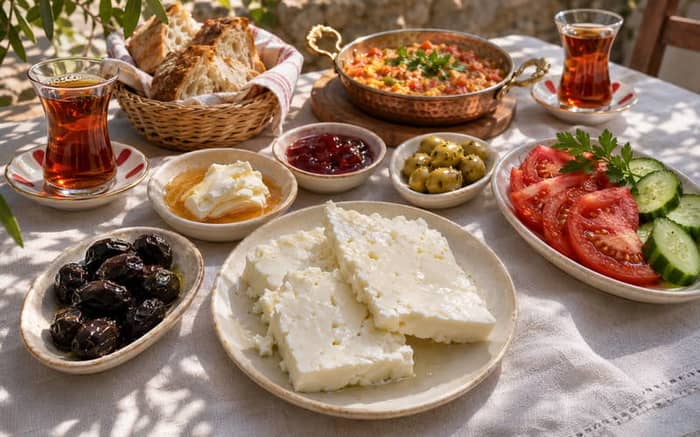
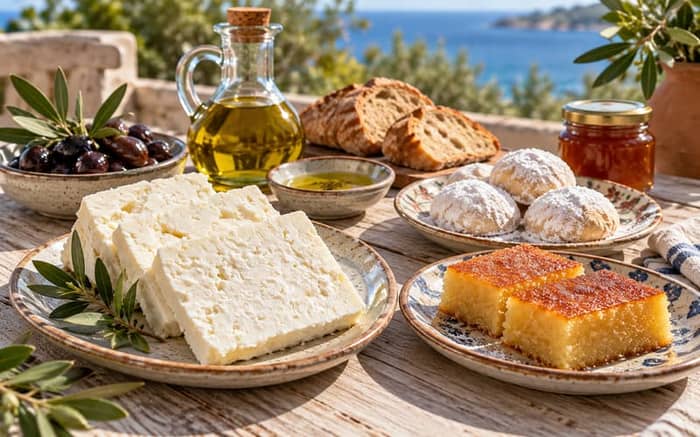
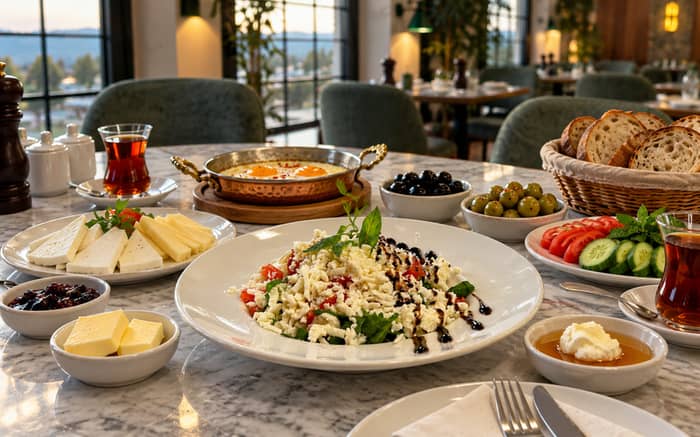
For a taste of the region, look for sardines when in season or try peynir helvası, a local dessert made with fresh cheese. Farther south, Ezine is known for its brined white cheese. Our guide to what to eat in Çanakkale distinguishes the dishes worth ordering during a meal from the foods that travel home well.
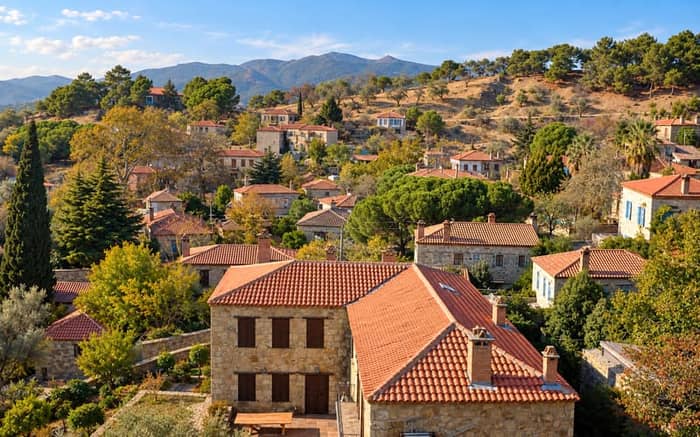
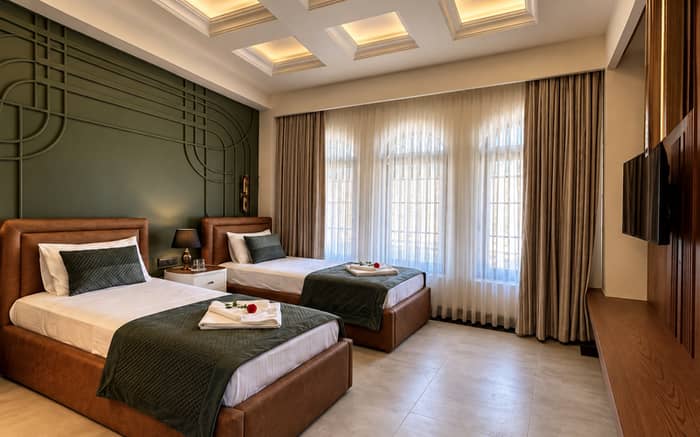
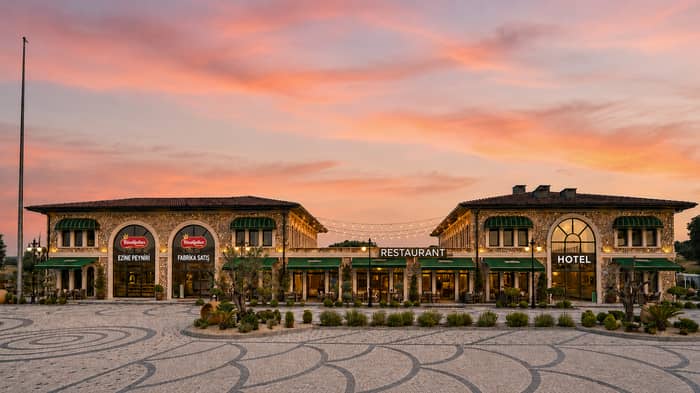
Stay in central Çanakkale if you want dinner within walking distance of the waterfront or an early start at the city ferry without a car. Our hotel suits a different itinerary: Yükseloğulları Hotel is in Bozeli village near Ezine, on the Çanakkale–İzmir road. From the hotel, central Çanakkale is about 45 km (28 miles), Troy about 20 km (12 miles), Geyikli’s Bozcaada ferry pier about 15 km (9 miles) and Assos about 60 km (37 miles). If your next morning starts in the south, you can see our location and driving directions or check availability for your dates.
Frequently asked questions about visiting Çanakkale
Is Çanakkale worth visiting if I’m already going to Troy?
Yes. Troy tells the story of ancient settlements, while Çanakkale is a working port on the Dardanelles. Even a short walk from the waterfront horse to the Clock Tower and bazaar gives you a sense of the city that you won’t get at the archaeological site.
Can I see Troy and Gallipoli without changing hotels?
Yes. Central Çanakkale is a practical base for both: travel south by road for Troy and take a ferry across the strait for Gallipoli. Give each excursion its own day if you want time at both the Troy Museum and the battlefield memorials.
Can I visit Gallipoli on foot from the Çanakkale ferry?
You can cross as a foot passenger and explore the area around the landing. The main battlefield cemeteries and memorials are too spread out for a practical walk from the pier, so plan transport on the peninsula.
Which ferry should I take for Bozcaada?
Take the Geyikli–Bozcaada service from Yükyeri pier near Ezine. The ferries from the centre of Çanakkale to Eceabat and Kilitbahir cross the Dardanelles; they don’t sail to Bozcaada.
What can I do in Çanakkale on a Monday?
Walk the Kordon, see the film horse, visit the Clock Tower and explore the old shopping streets. Save the Naval Museum, City Museum and Ceramics Museum for another day, as all three close on Mondays.